Malaga Tickets

Plan your visit to Bioparc Fuengirola | Timings, Route & Dining Options

Bioparc Fuengirola is an immersive zoo on Spain’s Costa del Sol, known for naturalistic habitats themed around Madagascar, Equatorial Africa, Southeast Asia, and Indo-Pacific islands. It is compact compared with large city zoos, which makes it easy to explore without exhausting walks, but visitors often underestimate how much time they spend watching animals in richly designed enclosures. Most visits take 3–5 hours, and arriving early often makes the biggest difference. This guide covers timings, tickets, transport, routes, and what not to miss.

Discover the best of Bioparc Fuengirola

Quick overview: Bioparc Fuengirola at a glance

  • Hours: The park opens every day of the year at 10am. Closing time varies seasonally, often between 6pm and 11pm.
  • Closed: Open year-round.
  • Last entry: Usually 1 hour before closing.
  • Getting in: Entry tickets get you full access to various habitats and all the animal species within them. You can choose an upgrade to enjoy access to the daily menu as well. 
  • How long to allow: Spending between 3-4 hours is ideal for most visitors. If you’re visiting with children, you may require at least five hours to explore the park and dine for lunch.  
  • When to go: Weekday mornings are noticeably calmer than weekends after midday. Animals are often more active in cooler early hours, and often retreat to the shaded areas by noon. 
  • What most people miss: Re-visiting habitats later in the day can reveal different animal behaviour. Many visitors also rush through the bird and reptile spaces.
  • Is a guide worth it? The park is designed to allow for a fully self-guided visit, with clear signage located all around to make navigating the venue easier.

Where and when to go

Where and when to go

💡 Pro tip: In summer, the sweet spot is either right at opening or later in the afternoon — the paths stay shaded, but the central family route feels much tighter from about 11am onward.

→ Check the complete Bioparc Fuengirola schedule

How much time do you need?

Visit typeRouteDurationWalking distanceWhat you get

Highlights only

Main loop → Madagascar → Africa → Asia

2–3 hrs

2km

Major animals, limited stops

Balanced visit

Full loop + talks + meal break

3–4 hrs

3km

Best overall experience

Full exploration

Slow full circuit + re-visits + café

5+ hrs

4km

A full experience with time for revisits

Which Bioparc Fuengirola ticket is best for you

Ticket typeWhat's includedBest forPrice

Entry ticket

Access to the entire zoo, including all habitats

Visitors looking for a flexible, self-guided experience

From €29.50

How do you get around Bioparc Fuengirola?

What should you prioritize at Bioparc Fuengirola

Placeholder Image Headout Blimp
1/5

Western lowland gorillas

Bioparc’s gorilla habitat is one of its most memorable spaces, combining naturalistic landscaping with strong viewing angles. If you spend a few quiet minutes here, you may see social interactions, grooming, or playful movement between family members.

Where to find it: Equatorial Africa

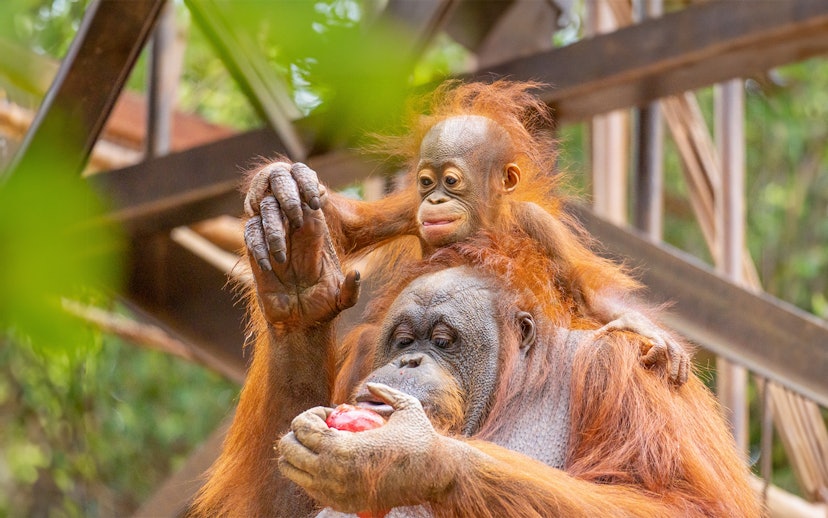
Bornean orangutans

These intelligent and expressive primates are among the stars of the zoo. Visitors often gather here to watch their climbing ability, slow movements, and curious behaviour around the elevated structures.

Where to find it: Southeast Asia

Ring-tailed lemurs

Energetic, social, and highly photogenic, lemurs are especially active in the morning. Their movement and vocal behaviour make this one of the best early stops for families with children.

Where to find it: Madagascar

Sumatran tigers

The tiger habitat combines jungle scenery with suspenseful viewing moments, as the cats often appear silently from behind foliage. Patient visitors are usually rewarded here.

Where to find it: Southeast Asia

Nile crocodiles

These powerful reptiles provide a completely different pace from the primate habitats. Their stillness, size, and prehistoric presence make them a surprisingly popular stop.

Where to find it: Equatorial Africa

Facilities and accessibility

Rules and restrictions at Bioparc Fuengirola

Practical tips to make the most of your visit

  • Start at the back, not the entrance: Most visitors naturally stop at the first habitats near the entrance, which get crowded quickly. Walk straight to the deeper zones (Madagascar or Equatorial Africa) first, then loop back. You’ll experience quieter enclosures and more active animals early on.
  • Time your visit around feeding sessions: Animal activity spikes during feeding times, especially for primates, lemurs, and big cats. Instead of wandering randomly, check the daily schedule at entry and plan your route around 2–3 key sessions for the best sightings.
  • Use the natural shade to your advantage: The park is heavily landscaped with dense vegetation, which keeps many pathways shaded even in peak summer. Midday heat is manageable here, but animals also retreat into shaded spots. Focus on covered viewing areas where they’re more likely to be resting visibly.
  • Look up, not just ahead: Bioparc is designed as an immersive habitat, not a traditional zoo. Many species, especially lemurs, birds, and monkeys, move above eye level using ropes and trees. Visitors who only scan ground enclosures miss half the experience.
  • Don’t rush the Madagascar zone: This is one of the few walk-through habitats where animals move freely around you. Most visitors pass through quickly, but slowing down here increases your chances of close, natural interactions—often the most memorable part of the visit.
  • Plan your lunch slightly early or late: The on-site restaurant gets busiest between 1:30pm and 3pm. Eating before 1pm or after 3pm means shorter waits and a more relaxed break, especially if you’re visiting with kids.

What else is worth visiting nearby?

Eat, shop and stay near Bioparc Fuengirola

Frequently asked questions about visiting Bioparc Fuengirola

Most visitors spend 3 to 4 hours inside the park. Families and wildlife enthusiasts often stay for around 5 hours.