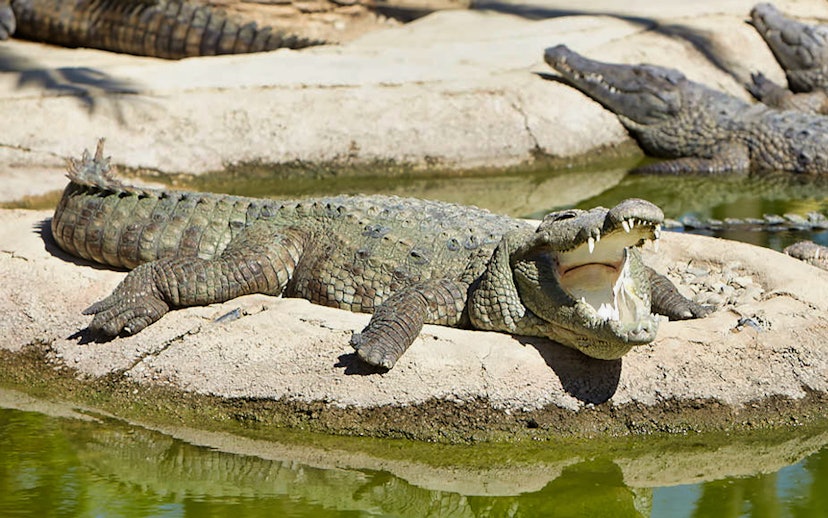
How to visit Malaga Crocodile Park
Malaga Crocodile Park is a compact wildlife park in Torremolinos best known for its huge crocodile collection, live feeding demos, and Europe’s largest crocodile, Big Daddy. This is an easy half-day visit, but it feels busier than its size suggests because most people cluster around the same showtimes and viewing rails. The difference between a rushed visit and a good one is simple: time your entry around a feeding session, then work backward through the quieter exhibits. This guide covers timing, tickets, route, and practical planning.
Quick overview: Malaga Crocodile Park at a glance
This is the section to read before you pick a day, book a ticket, or assume it’s just a quick walk-through.
- When to visit: Open year-round on a seasonal schedule; the first feeding window of the day is noticeably calmer than midday in July and August, because many visitors arrive after the beach or combine the park with Aqualand next door.
- Getting in: From €16 for standard entry; Skip-the-Line Tickets to Crocodile Park are the main Headout option, and booking ahead matters most in summer weekends when families tend to arrive in the same late-morning window.
- How long to allow: 1.5–2 hours suits most visitors, and it stretches closer to 2.5 hours if you stay for a feeding demo, the nursery, and the baby crocodile photo encounter.
- What most people miss: The hatchling nursery and small museum add the most context, and many visitors rush past them after seeing Big Daddy and the main outdoor pools.
- Is a guide worth it? A full guide usually isn’t necessary for a short visit, but the keeper-led feeding talks add far more value than walking the pens without timing your visit around a demo.
Jump to what you need
Where and when to go
Which Malaga Crocodile Park ticket is best for you
| Ticket type | What's included | Best for | Price range |
|---|---|---|---|
Skip-the-Line Tickets to Crocodile Park | Skip the line entry into Crocodile Park | A short half-day visit where you want guaranteed entry and don’t want to lose time buying tickets on-site before the next feeding demo | From €18.50 |
How do you get around Malaga Crocodile Park?
Malaga Crocodile Park works like a compact, zone-based animal park rather than a large zoo, so you can cover the highlights in 1.5–2 hours and the full visit in around 2.5 hours if you time it around a show. The main crowd-flow issue is simple: everyone bunches up at the big outdoor pools before and during feedings, then leaves the indoor exhibits quieter than they should be.
Which animals and habitats should you prioritise?

Big Daddy
Species: Nile crocodile
Big Daddy is the park’s signature animal and the main reason many people visit. At around 5m long and roughly 600kg, he’s the largest crocodile in Europe, and he looks even bigger when he lifts out of the water at feeding time. Most visitors focus on his size, but the real detail to watch is how still he stays before moving suddenly.
Where to find it: Main outdoor crocodile pools, at the park’s central viewing area
Feeding demo
Experience type: Keeper-led feeding session
This is the most dramatic part of the visit and the best way to understand how powerful the adult crocodiles are. The live commentary adds real value, especially if you want more than a quick look at the enclosures. What most people miss is that the show also gives you the best sense of species behavior, not just spectacle.
Where to find it: Outdoor feeding arena beside the main crocodile enclosures
Hatchling nursery
Life stage: Eggs, hatchlings, and juvenile crocodiles
The nursery is where the visit becomes more than a photo stop. You’ll see the park’s breeding work up close and get a clearer sense of how different a hatchling looks from the huge adults outside. Many visitors skip it because they assume the main pools are the whole attraction, which is exactly why it feels less crowded.
Where to find it: Indoor exhibit area near the museum section
Baby crocodile encounter
Experience type: Supervised animal interaction
This is the park’s most hands-on moment, especially if you’re visiting with children. Staff supervise the encounter, and it turns a nervous reaction into curiosity very quickly. The part people rush past is that this usually happens after the show flow, so you should leave a little time rather than heading straight out.
Where to find it: Staff photo area linked to the show exit zone
African Museum
Focus: Crocodile history and conservation
The museum is small, but it gives the visit useful structure by explaining crocodiles as prehistoric survivors rather than just dangerous reptiles. It’s also the easiest place to slow down if the outdoor areas are busy or hot. Most people don’t spend long enough here to connect the live animals with the park’s breeding and education work.
Where to find it: Indoor exhibition area beside the nursery
Mini-zoo reptiles and smaller animals
Species mix: Tortoises, chameleons, bearded dragons, and small companion animals
This section adds variety and works especially well with younger children who need a break from the bigger crocodile pens. It also balances the visit by showing reptiles at a totally different scale and pace. Many adults treat it as a pass-through, but it’s where kids often linger longest.
Where to find it: Family-focused zone toward the later part of the walking route
Facilities and accessibility
- 🎟️ Ticketing: Online and on-site ticket purchase are both available, and pre-booked tickets are the quicker option before a feeding demo.
- 🍽️ Snack bar: A café-style snack stop operates in peak season, and it works best as a convenience break rather than a full meal stop.
- 🧺 Picnic areas: Shaded picnic spots make it easier to pause with children during a short half-day visit.
- 🪑 Seating / rest areas: Seating is spread through the park near viewing areas and family zones, which helps if you’re pacing the visit around a show.
- 🛝 Play area: A small playground gives younger children a break between the more intense reptile exhibits.
- 🅿️ Parking: Free on-site parking makes the park easy to reach by car, especially if you’re combining it with Aqualand next door.
- 📸 Photo area: The baby crocodile encounter and souvenir photo add-on are handled in a dedicated staffed area after the show flow.
- ♿ Mobility: The park is on flat terrain with paved paths, so the main route works well for wheelchairs and strollers, though outdoor viewing rails can get crowded around showtimes.
- 👁️ Visual impairments: The live keeper commentary during feeding demos adds more practical context than the static visit alone, so timing your visit around a talk makes the experience easier to follow.
- 🧠 Cognitive and sensory needs: The park is calm outside feeding demos, but the show area is the loudest and busiest point of the visit, so quieter visits work best between those peak moments.
- 👨👩👧 Families and strollers: The compact layout, paved paths, and short overall visit length make it manageable with a stroller from entrance to exit.
Malaga Crocodile Park works best for children who enjoy animals, short walks, and a few high-impact moments rather than an all-day zoo visit.
- 🕐 Time: 1.5–2 hours is realistic with young children, and Big Daddy, the feeding demo, and the nursery are the 3 areas worth prioritizing.
- 🏠 Facilities: Picnic spots, a small play area, and a short walking route make it easier to fit this into a family beach day.
- 💡 Engagement: Time your visit so the feeding demo happens in the first half, because younger children tend to stay focused better when the big spectacle comes early.
- 🎒 Logistics: Bring sun protection and water for the outdoor sections, and don’t overpack because the park is compact and you won’t need a full-day bag.
- 📍 After your visit: Aqualand Torremolinos next door is the simplest child-friendly follow-up if you want to turn the outing into a full day.
Rules and restrictions
Practical tips
- Booking and arrival: Book online the day before or the morning of your visit in summer if you want the fastest entry line, because most visitors decide late and then bunch into the same pre-show arrival window.
- Showtime strategy: Arrive 20–30 min before a feeding demo, not right as it starts, so you can get a clear rail position first and avoid watching from behind a second row of families.
- Pacing: Do the main pools and feeding demo first, then slow down in the nursery and museum, because that indoor section feels much easier once the show crowd starts moving back outside.
- Crowd management: Weekdays outside July and August are the easiest time to go, and even in summer the first show of the day is better than the late-morning rush that builds after beach and water-park plans.
- What to bring: Bring sun protection and water because much of the best viewing is outdoors, and the strong midday light makes the enclosures feel hotter than the short walking distance suggests.
- What to leave behind: Skip the full-day backpack mindset — this is a 1.5–2 hour park visit, and a lighter bag makes it easier to move between rails and indoor exhibits.
- Food and drink: Treat the on-site snack bar as a backup rather than the main event, especially off-peak, and plan a proper meal before or after if you want more than a short stop.
What else is worth visiting nearby?
Eat, shop and stay near Malaga Crocodile Park
- On-site: Peak-season snack bar with simple café-style food; it’s useful for a quick break, but not worth planning your main meal around.
- Better options nearby: Not applicable.
- 💡 Pro tip: Eat before you go or plan a proper meal afterward in central Torremolinos, because the park itself is short and the on-site food works better as a backup than a destination stop.
- Souvenir photo counter: The most specific on-site takeaway is the paid baby crocodile photo rather than a major retail stop, so this is more about the memory than shopping.
- Nearby shopping: Not applicable.
Yes, if you want a practical Costa del Sol base rather than a big-city stay. Torremolinos is easy for short transfers, beach time, and family logistics, and the park works best as 1 stop in a broader local itinerary rather than the sole reason to base yourself here. If you want heavier sightseeing, Málaga is the stronger all-around choice.
- Price point: Mid-range beach-town pricing, with better value away from the waterfront and in non-peak months.
- Best for: Travelers who want an easy family base with beach access and simple transit to Torremolinos, Benalmádena, and Málaga.
- Consider instead: Málaga for museums, restaurants, and more evening options, or Benalmádena if you want a resort-style stay with other family attractions nearby.
Frequently asked questions about visiting Malaga Crocodile Park
Most visits take 1.5–2 hours. That is enough time for the main crocodile pools, Big Daddy, the nursery, and 1 feeding demo. If you visit with children or add the baby crocodile photo encounter, allow closer to 2.5 hours so the visit does not feel rushed.
No, you do not always need to book far in advance, but booking online is the better move in summer and on weekends. This is a short, spontaneous attraction, so many people buy at the last minute and arrive in the same pre-show window. Pre-booking helps you walk in faster and plan around the next feeding demo.
Yes, it is worth it if you are visiting in July or August, on a weekend, or close to a feeding demo. The park is small, so saving even 10–20 min at the entrance matters more than it would at a full-day zoo. If you arrive off-peak on a weekday, the time saved is smaller.
Arrive about 20–30 min before the feeding demo you want to watch. That gives you enough time to get through entry, find your bearings, and get a decent viewing position without rushing. Timing matters more here than total visit length.
Yes, a small day bag is the most practical option. You do not need a full-day pack because most visits are short, and lighter bags make it easier to move between the main outdoor rails and the indoor nursery and museum. If you are visiting in summer, prioritize water and sun protection.
Yes, casual photography is part of the visit. The best moments are usually Big Daddy and the live feeding demos, where the crocodiles are most active. The baby crocodile hold is handled separately as a paid photo add-on, so do not assume that souvenir shot is included with general admission.
Yes, group visits are possible, and the park also runs educational visits for school groups. It works especially well for short group outings because the route is compact and the feeding demos give everyone the same focal point. If you want a structured visit, book in advance rather than arriving as a large walk-up group.
Yes, it suits families well, especially if your children enjoy animals and can focus for 1.5–2 hours. The visit is short, the paths are manageable, and the mix of feeding demos, hatchlings, and the baby crocodile encounter keeps the experience varied. Younger children usually do best when the show comes early in the visit.
Yes, the main route is generally wheelchair accessible. The park sits on flat terrain with paved paths, which also makes it workable for strollers. The main limitation is crowding around viewing rails at feeding time, so a quieter slot outside the busiest show window is the easier choice.
Yes, there is a snack bar on-site in peak season, and there are better full meal options in Torremolinos nearby. For most visitors, the smartest plan is to treat the park café as a backup and eat properly before or after the visit, especially if you are going outside the summer peak.
Yes, you can hold a baby crocodile under staff supervision as a paid add-on. This is one of the park’s most popular extras, especially for families, and it usually happens after the main show flow rather than at the start of the visit. Leave a little extra time if you want to do it.
The best time is a weekday outside July and August, or the first feeding slot of the day if you are visiting in summer. The park feels busiest when families arrive late morning and gather around the same viewing rails. Going earlier gives you clearer views, easier photos, and a calmer route through the smaller exhibits.