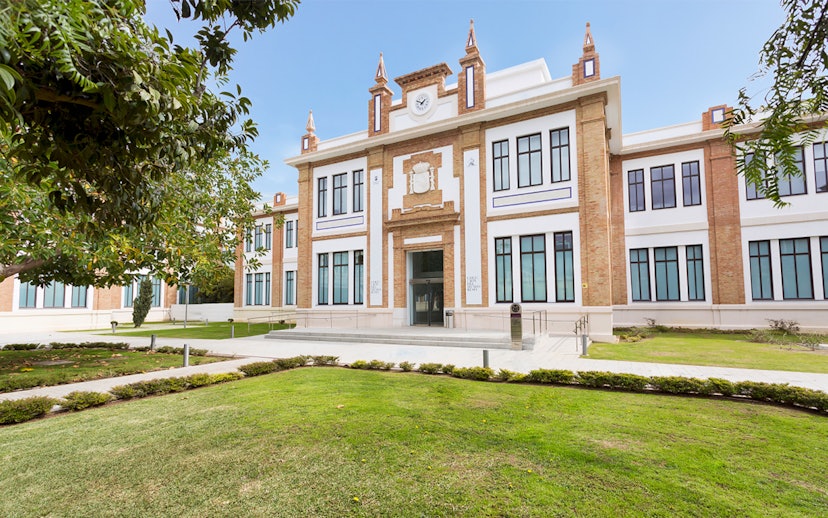
Collection of the Russian Museum visitor guide
The Collection of the Russian Museum is an art museum best known for bringing rotating Russian art exhibitions to Málaga inside the restored Tabacalera tobacco factory. It’s a manageable visit rather than an all-day one, and the galleries are usually calm enough to explore at your own pace. What most affects the experience is checking what temporary exhibitions are on and leaving time for the MEET exhibition space, which many visitors rush past. This guide covers timing, tickets, routes, and the practical details that make the visit smoother.
Quick overview: Collection of the Russian Museum at a glance
If you want the short version before you book, this is what actually changes the visit.
- When to visit: Tuesday–Sunday, 9:30am–8pm. Weekday mornings are noticeably calmer than Sunday after 4pm, because free entry starts then and locals use it.
- Getting in: Collection Of the Russian Museum Skip-the-Line Tickets add convenience for mobile entry, and advance booking matters most if you want to avoid the ticket desk altogether.
- How long to allow: 1–1.5 hours for most visitors. It stretches closer to 2 hours if you use the audioguide properly and spend time in MEET’s temporary exhibitions.
- What most people miss: The side galleries and temporary exhibition rooms often hold the most surprising material, from photography to ballet history, and they’re easy to skip after the main halls.
- Is a guide worth it? Usually, a good audioguide does the job here because the museum is compact, but a live guide adds value if you want historical context for Soviet-era and avant-garde works.
Jump to what you need
🕒 Where and when to go
🎟️ Which ticket is right for you?
🗺️ Getting around
♿ Facilities and accessibility
Where and when to go
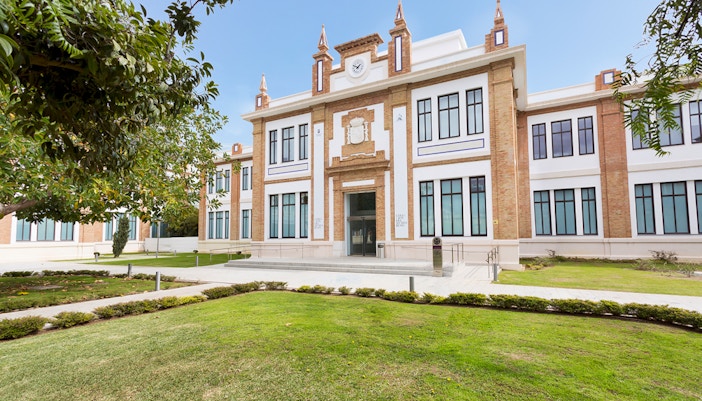
How do you get to Collection of the Russian Museum?
The museum is in Málaga’s Huelin district, inside the Tabacalera complex, about 3km west of the historic center and a short walk from Princesa–Huelin station.
Address: Avenida Sor Teresa Prat 15, Málaga, Spain | Find on Google Maps
- Metro: Princesa–Huelin station (Line 2) → 5-minute walk → Walk straight down Calle Princesa toward Tabacalera.
- Bus: Line 7 → Museo Automovilístico stop → Drops you right by the building entrance.
- Taxi / rideshare: Tabacalera drop-off → 1-minute walk → Usually the fastest option from the old town.
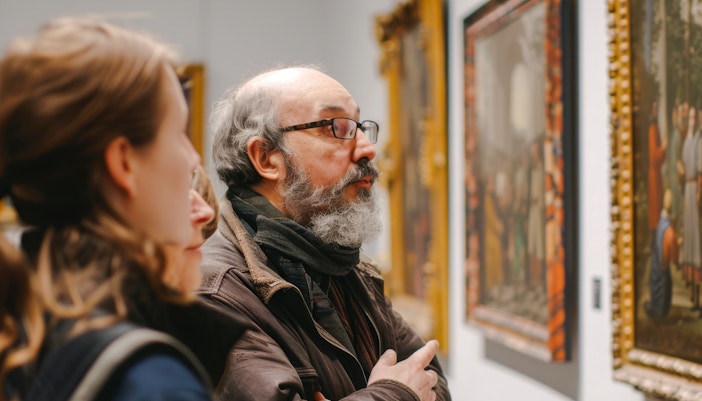
Which entrance should you use?
The museum uses one main entrance inside the Tabacalera complex, and the most common mistake is assuming the Automobile and Fashion Museum entrance is the same queue.
- Located at the main Tabacalera entrance on Avenida Sor Teresa Prat. Expect 0–5 minutes’ wait most days, and a slightly longer wait on Sunday after 4pm.

When is Collection of the Russian Museum open?
- Tuesday–Sunday: 9:30am–8pm
- Monday: Closed
- Last entry: Around 7:30pm
- Sunday free entry: From 4pm onward
When is it busiest? Sunday from 4pm–6pm, plus hot summer afternoons in July and August, when free entry and indoor A/C make it a popular fallback from the beach.
When should you actually go? Tuesday to Thursday before 12 noon gives you the calmest galleries and the best chance to use the audioguide without people bunching around key works.
Which Collection of the Russian Museum ticket is best for you
| Ticket type | What's included | Best for | Price range |
|---|---|---|---|
Collection Of the Russian Museum Skip-the-Line Tickets | Skip-the-line entry to the Collection of the Russian Museum + access to MEET + access to permanent collections + access to temporary exhibitions | Art lovers who wants access to both museum and MEET | Entry from €8 |
How do you get around Collection of the Russian Museum?

Gallery layout
The museum is compact and gallery-based rather than sprawling, so it’s easy to self-navigate, but the side rooms and temporary exhibition spaces are where people accidentally cut the visit short.
- Main annual exhibition halls: The core Russian art display and biggest-name works → budget 35–45 minutes.
- Side galleries: Smaller thematic rooms for photography, ballet, or focused temporary shows → budget 15–25 minutes.
- MEET exhibition space: Additional temporary exhibitions included with entry → budget 15–20 minutes.
- Auditorium and foyer areas: Event space, screenings, and occasional cultural programming → budget 10 minutes if something is on.
Suggested route: Start with the main annual exhibition while your attention is fresh, move next to the side galleries, then finish in MEET. Most visitors do the reverse and rush the smaller rooms, even though they often hold the most distinctive material.
Maps and navigation tools
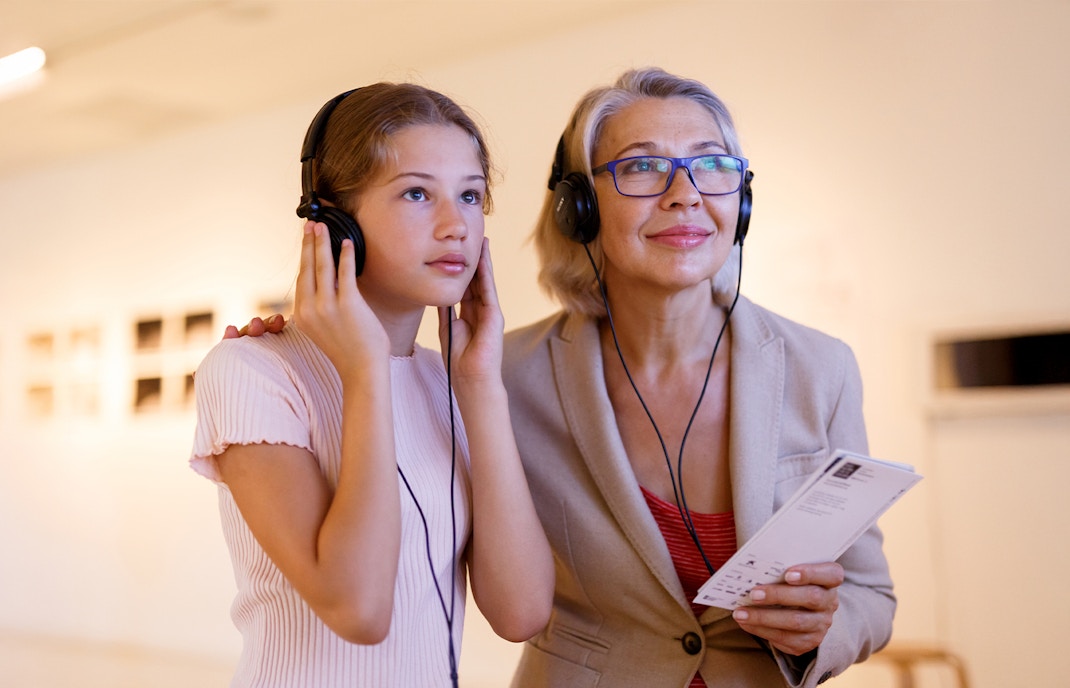
- Map: The audio guide is the most useful navigation tool here → it anchors the main stops and helps you track the exhibition order → collect it at reception before you start.
- Signage: Wayfinding is good enough for a self-guided visit because the museum is compact, but you’ll still want the audio guide so you don’t miss the side galleries.
- Audio guide / app: Available in Spanish, English, Russian, French, Italian, and German → access it at reception → it adds real value because the exhibitions are context-heavy.
Pro tip: Don’t leave MEET for ‘if there’s time’, it’s included in your ticket, and it’s the part most people skip first when they assume the visit is already over.
Where are the masterpieces inside Collection of the Russian Museum?

Russian avant-garde room
Era: Early 20th century
This is usually the section that changes casual visitors into fully engaged ones. The bold colors, abstract forms, and radical shifts in style are where the museum feels most internationally significant, especially when works connected to Kandinsky, Malevich, Chagall, or Constructivist circles are on display. What people often miss is the wall text around the movement itself — without it, the room can feel visually exciting but historically disconnected.
Where to find it: In the main annual exhibition sequence, usually in one of the central galleries rather than at the start.
Icons and imperial portraits
Era: 18th–19th centuries, with earlier religious traditions
This section gives the museum its historical depth. The Orthodox icons, aristocratic portraits, and formal realism show the world Russian modernists were reacting against, so it’s worth slowing down here before moving to the avant-garde rooms. Most visitors rush through because the lighting is quieter and the works feel less immediately dramatic, but the details and symbolism reward a closer look.
Where to find it: Near the earlier rooms of the main exhibition route, often before the 20th-century works.
Soviet realism and propaganda displays
Era: Soviet period
These rooms are often the most revealing, because they show how art was used as messaging as much as expression. The heroic workers, wartime paintings, and oversized posters land best when you step back and take in their scale instead of reading them as ordinary wall pieces. What people miss is the contrast between the polished imagery and the political reality explained in the labels.
Where to find it: Usually in a dedicated thematic room or toward the later part of the core exhibition circuit.
Photography and performance culture displays
Era: 20th century to contemporary
The museum often uses smaller galleries for photography, ballet, and cultural history exhibitions, and these are some of the most memorable rooms when the main show is strong. They add texture beyond painting and make the museum feel broader than many visitors expect. The easy-to-miss detail is that these rooms can sit slightly off the main flow, so people assume they’re optional when they’re often some of the best-curated spaces.
Where to find it: In side galleries branching off the main halls.
MEET temporary exhibition space
Creator: Spanish and international temporary exhibitions
MEET is included in your ticket, and it’s the part of the visit most likely to feel fresh even if you’ve been before. Because it hosts rotating temporary shows, it changes the rhythm of the visit and adds a wider international lens next to the Russian-focused displays. Most people miss it simply because they think their ticket only covers the main museum.
Where to find it: In the adjacent exhibition space within the Tabacalera complex, accessed after or alongside the main museum visit.
Facilities and accessibility
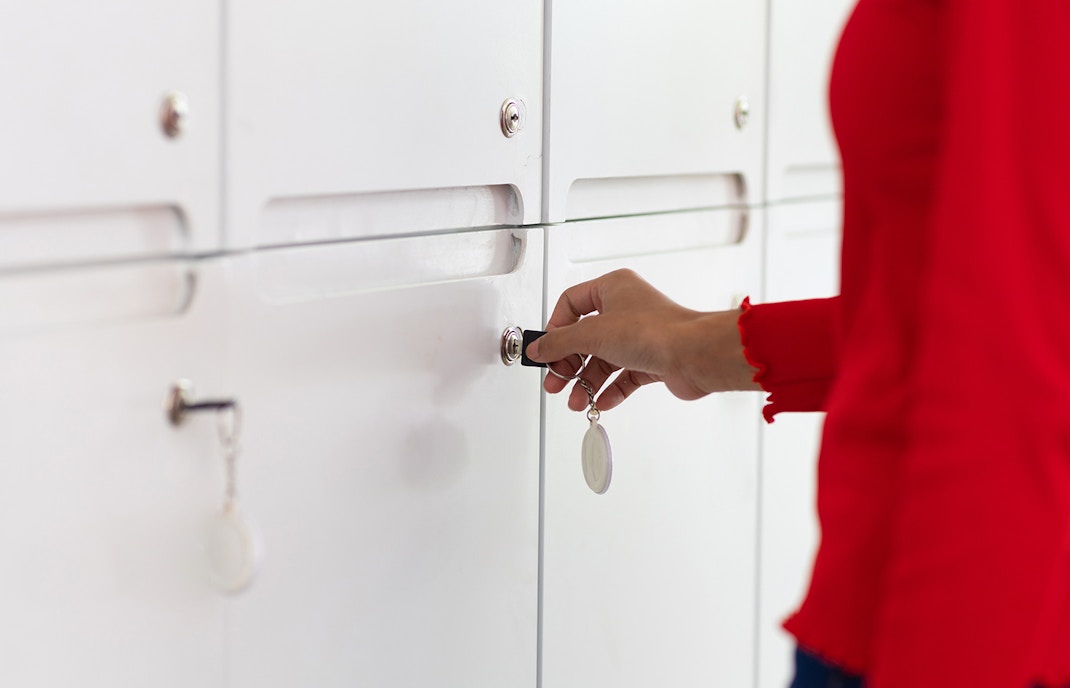
- Cloakroom / lockers: Free storage is available near the entrance, and large bags should be left there before you enter the galleries.
- Restrooms: Clean restrooms are available on-site, and the museum visit is compact enough that you won’t need to leave the building to use them.
- Café: There is a quiet on-site café, and it works best as a coffee or light break rather than a full destination lunch.
- Gift shop / merchandise: The museum shop is worth a quick stop for exhibition catalogs, postcards, and art books linked to the current shows.
- Seating / rest areas: Seating is available in common areas, and the calm pace of the museum makes short rest breaks easy.
- Nursing room: A nursing room is available on-site, which makes the museum easier to manage with infants.
- Mobility: The museum is wheelchair accessible, with ramps and elevators inside the building, and wheelchairs are available for visitor use.
- Visual impairments: The multilingual audio guide is the most useful accessibility aid here because it gives artwork context without relying only on wall text.
- Cognitive and sensory needs: Weekday mornings are the easiest time to visit if you prefer quieter surroundings, because the galleries are usually calm and uncrowded.
- Families and strollers: The spacious galleries are stroller-friendly, and the compact layout means you can do the full visit without a long or complicated route.
The museum works best for school-age children and curious teens, especially if you want a short cultural stop rather than a half-day commitment.
- Time: Around 45–60 minutes is realistic with younger children, and the main exhibition plus one smaller side gallery is usually enough.
- Facilities: The nursing room, restrooms, seating areas, and easy indoor layout make this simpler than many larger museums.
- Engagement: Let children pick one poster, one portrait, and one abstract work to compare — it keeps the visit active and gives the galleries a clear game.
- Logistics: Bring a small bag, not a bulky backpack, and aim for mid-morning so the galleries are quiet before attention spans dip.
- After your visit: Parque del Oeste is a good next stop nearby if children need outdoor space after the galleries.
Rules and restrictions
What you need to know before you go
- Entry requirement: Standard entry is straightforward, but bring ID in case it's required.
- Bag policy: Large bags should be stored in the entrance lockers or cloakroom before you enter the galleries.
- Late arrival: There are no tight timed slots on a normal visit, but arriving late in the day cuts into what is already a short museum visit.
- Good to know: The museum is closed on Mondays, which catches out a lot of visitors building a Málaga museum day around it.

Not allowed
- Food and drink: Food and drinks are not allowed inside the galleries, so use the café or eat after your visit.
- Touching exhibits: Don’t touch artworks or display materials, especially in smaller side galleries where staff keep a close eye on visitor flow.
Photography
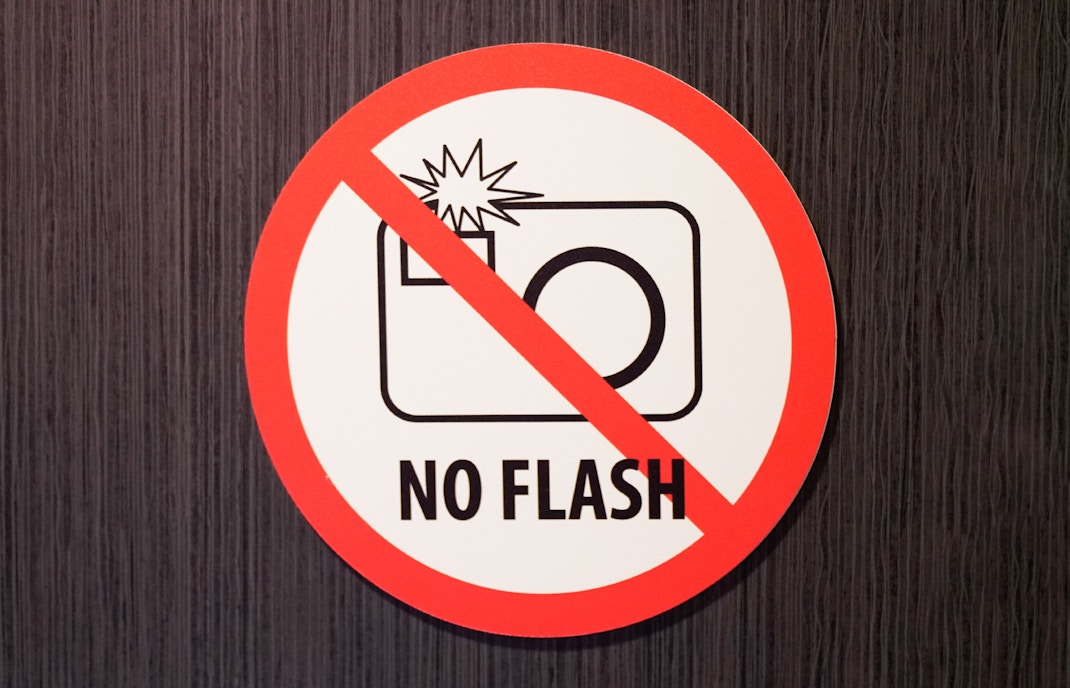
Although, photography is allowed, flash photography is not allowed. Tripods, commercial shoots, and event spaces require permission. Always follow stricter room-specific signage for temporary exhibitions.

Good to know
- Guided tours: Free guided tours are offered on select days, but places are first-come, first-served and you need to sign up at the front desk.
- Free-entry Sundays: Sunday after 4pm is the one time the museum feels noticeably busier, so the savings come with a trade-off.
Practical tips
- Booking and arrival: You usually don’t need to book far ahead here, but reserving your ticket 1–2 days early is still useful if you want to walk straight in and avoid the desk entirely.
- Pacing: Spend your best attention on the main annual exhibition first, then move to the side galleries and MEET as people often do the reverse and end up skimming the strongest rooms.
- Crowd management: Tuesday to Thursday before 12 noon is the sweet spot because the museum is naturally quiet then, unlike Sunday after 4pm when free entry changes the atmosphere.
- What to bring or leave behind: Bring a small bag and leave bulky backpacks at home, since large items need to go into storage and that slows down a short visit.
- Food and drink: Don’t build lunch into the museum itself unless you just want coffee; the smarter move is to finish the galleries and eat 5 minutes away on Misericordia Beach.
- Weather planning: On hot summer afternoons, the museum works well as a cool indoor stop, but that also means it becomes more attractive to other travelers escaping the heat.
- Language tip: Use the audio guide even if you usually skip them, the rotating exhibitions make context matter more here than in many smaller museums.
What else is worth visiting nearby?
Commonly paired: Automobile and Fashion Museum
Distance: Same building — 1-minute walk
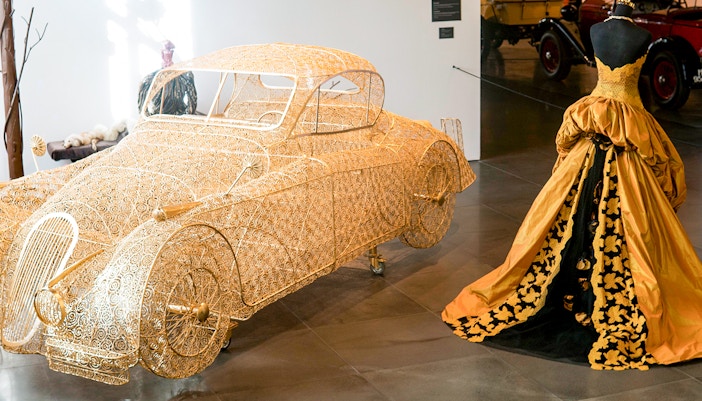
Why people combine them: It’s the easiest same-day pairing in Málaga because you can move from Russian art to vintage cars and couture without changing neighborhoods.
Commonly paired: Centre Pompidou Málaga
Distance: About 4km — 15 minutes by taxi or around 25 minutes by public transit
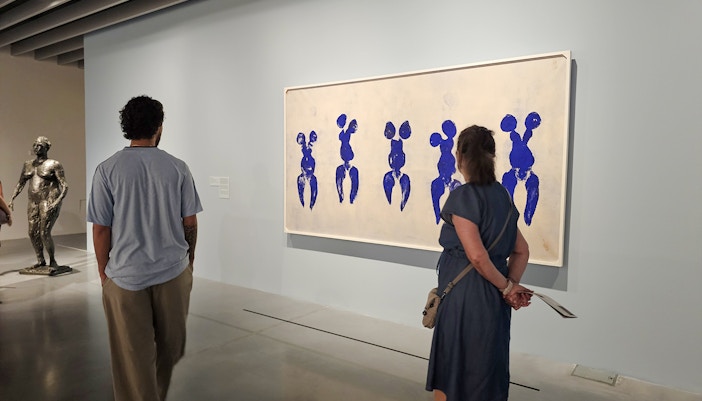
Why people combine them: Art-focused visitors often pair them to get two very different international museum experiences in one day, Russian art here, modern and contemporary work by the port.
Also nearby
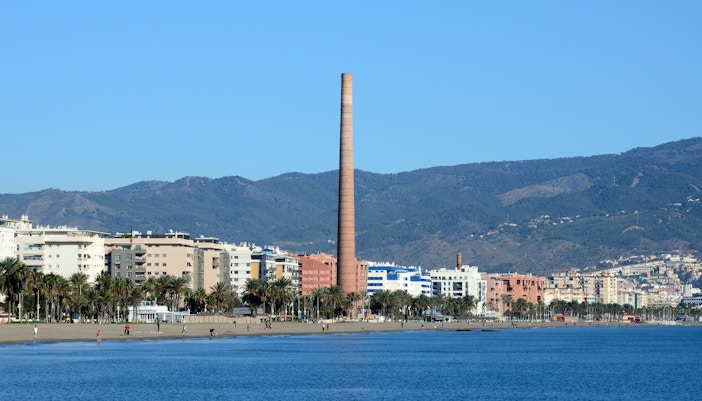
Misericordia Beach
Distance: About 400m — 5-minute walk
Worth knowing: This is the easiest post-museum reset in the area, especially if you want lunch by the water or a promenade walk after the galleries.
Parque del Oeste
Distance: About 400m — 5-minute walk
Worth knowing: It’s a useful nearby stop for families or anyone who wants outdoor space after the museum’s indoor pace.
Eat, shop and stay near Collection of the Russian Museum
- On-site: The museum café serves drinks and light bites in a quiet setting, and it’s best treated as a convenient pause rather than your main meal.
- Beachfront chiringuitos on Misericordia Beach (5-minute walk, Paseo Marítimo): Seafood and grilled fish, mid-range, and the best fit if you want an easy lunch right after the museum.
- Cafés near Princesa–Huelin station (5–7-minute walk, around Calle Princesa): Coffee, pastries, and simple snacks, and a good option if you want something quick before heading back into the city.
- Old-town restaurants after your visit (15–20 minutes by transit, Centro Histórico): Broader choice and better dinner options, and worth saving for later if this museum is just one stop in your day.
Pro tip: If you’re visiting on a hot day, do the museum first and eat after as the galleries are a better use of the cooler indoor time than a long lunch break.
- Museum shop: Exhibition catalogs, postcards, and art books, and the most worthwhile shopping option if you want something directly tied to the visit.
- Bookstore section on-site: Art titles and museum publications, and a better stop than the souvenir shelves if you actually want something you’ll keep.
Huelin offers cheap beach stays but lacks historic charm; first-timers should stay central and visit just for the museum.
- Price point: Usually better value than the historic center, especially for simple beach-area hotels and apartments.
- Best for: Travelers who want a quieter local neighborhood, beach time, and an easy museum stop without central-city hotel prices.
- Consider instead: Centro Histórico or Soho if you want better walkability, more restaurant choice, and easier access to Málaga’s main museum cluster.
Frequently asked questions about visiting Collection of the Russian Museum
Most visits take 1–1.5 hours. If you use the audioguide properly and also spend time in the MEET exhibition space, plan for closer to 2 hours. It’s a compact museum, but the rotating temporary exhibitions can slow you down more than the building size suggests.
No, you can usually buy tickets on arrival without any trouble. This museum is rarely crowded enough to require advance planning, but booking online is still useful if you want mobile entry and don’t want to stop at the ticket desk first.
You don’t need to arrive far in advance because standard visits are not tightly slot-driven. Arriving 10–15 minutes early is enough if you want time to collect the audioguide, store a large bag, or sign up for a free guided tour at the desk.
Yes, but large bags should be left in the lockers or cloakroom near the entrance. A small day bag is the easiest option for a short visit, while bulky backpacks slow you down because you’ll need to stop and store them before entering the galleries.
Yes, personal photography is generally allowed. Flash is not permitted, and tripods or commercial shoots require prior permission. Temporary exhibitions can have tighter room-specific rules, so check the signage in each gallery rather than assuming the policy is identical everywhere.
Yes, group visits are possible and work well because the museum is compact and easy to move through. If you want a guided visit, it’s better to arrange it in advance or arrive early for the free scheduled tours, since places are limited and usually assigned on a first-come, first-served basis.
Yes, especially if you want a short, manageable museum stop rather than a full-day commitment. The galleries are spacious, the route is simple, and children under 18 can enter free. It pairs especially well with Parque del Oeste or the Automobile and Fashion Museum nearby if you need to break up the day.
Yes, the museum is wheelchair accessible. The building has ramps and elevators, and wheelchairs are available for visitor use. Because the visit is relatively short and the layout is not overly complex, it’s generally easier to manage than larger multi-floor museums.
Yes, there is an on-site café for drinks and light bites, and there are better full-meal options a short walk away on Misericordia Beach. Most visitors either stop for coffee inside or save lunch for after the visit, since the museum itself only needs about 60–90 minutes.
Yes, the audioguide is included with admission, and English is one of the available languages. It’s genuinely useful here because the exhibitions rotate and the historical context matters, especially in the Soviet-era and avant-garde rooms where the labels add a lot to what you’re seeing.
Yes, free guided tours are offered on select days at set times. They’re included with admission, but you need to sign up at the front desk, and spaces are limited. If the tour language doesn’t suit you, the multilingual audioguide is the best fallback.
Yes, entry is free on Sundays after 4pm. That makes it the best-value time to visit, but it’s also the least peaceful window, since locals and budget travelers tend to arrive then and the museum loses some of its usual calm atmosphere.