Quick Information

Plan your visit

Did you know?

The park's design includes recreations of habitats like the ruins of the Khmer Empire, enhancing the immersive experience.

Bioparc Fuengirola is home to the largest group of gorillas in Spain, underscoring its role in primate conservation.

The Bioparc Foundation, established in 2007, focuses on biodiversity conservation and environmental education.

Is Bioparc Fuengirola worth visiting?

Walking into Bioparc Fuengirola feels like a sudden, cool embrace from the wild. The sounds of the city are replaced by the rustle of bamboo and the calls of tropical birds. This is not a place where you look at animals through bars. Instead, you share their world. Visitors often say the park’s highlight is the Madagascar forest, where you walk through the trees while lemurs jump across the path right in front of you. You can feel the mist of a waterfall while standing inches away from the gorilla family or watch the Malayan tapirs through clear glass that makes it feel like you are underwater with them.

It is a great place for kids and students to see rare animals like the Sumatran tiger in a setting that looks like a real jungle ruin. You leave with a real connection to these creatures that watching them through a screen cannot offer. Skip it if you expect a sprawling, all-day safari park that requires a car to navigate.

Discover Bioparc Fuengirola

What to see at Bioparc Fuengirola?

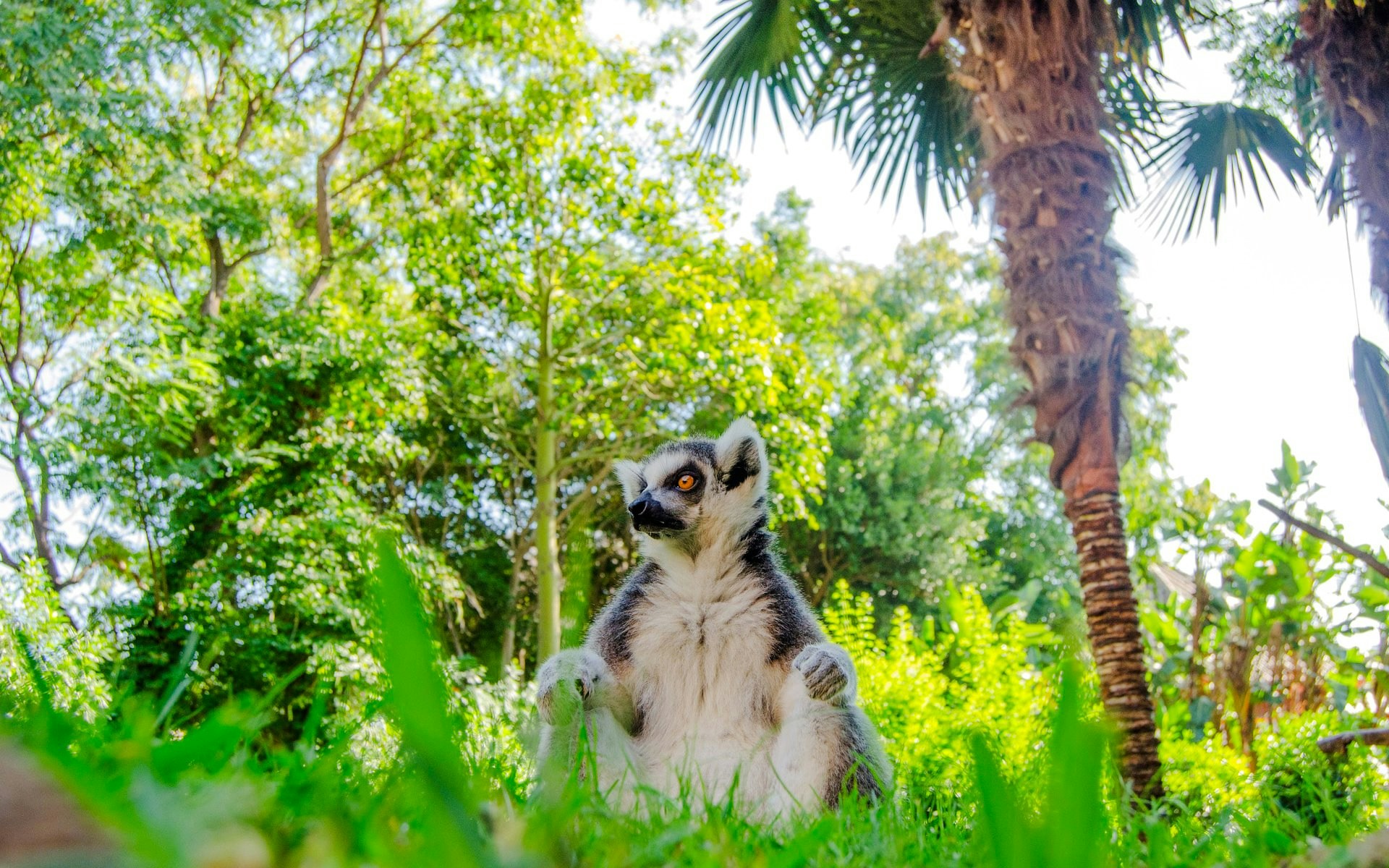
Lemur sitting in lush greenery at Bioparc Fuengirola.
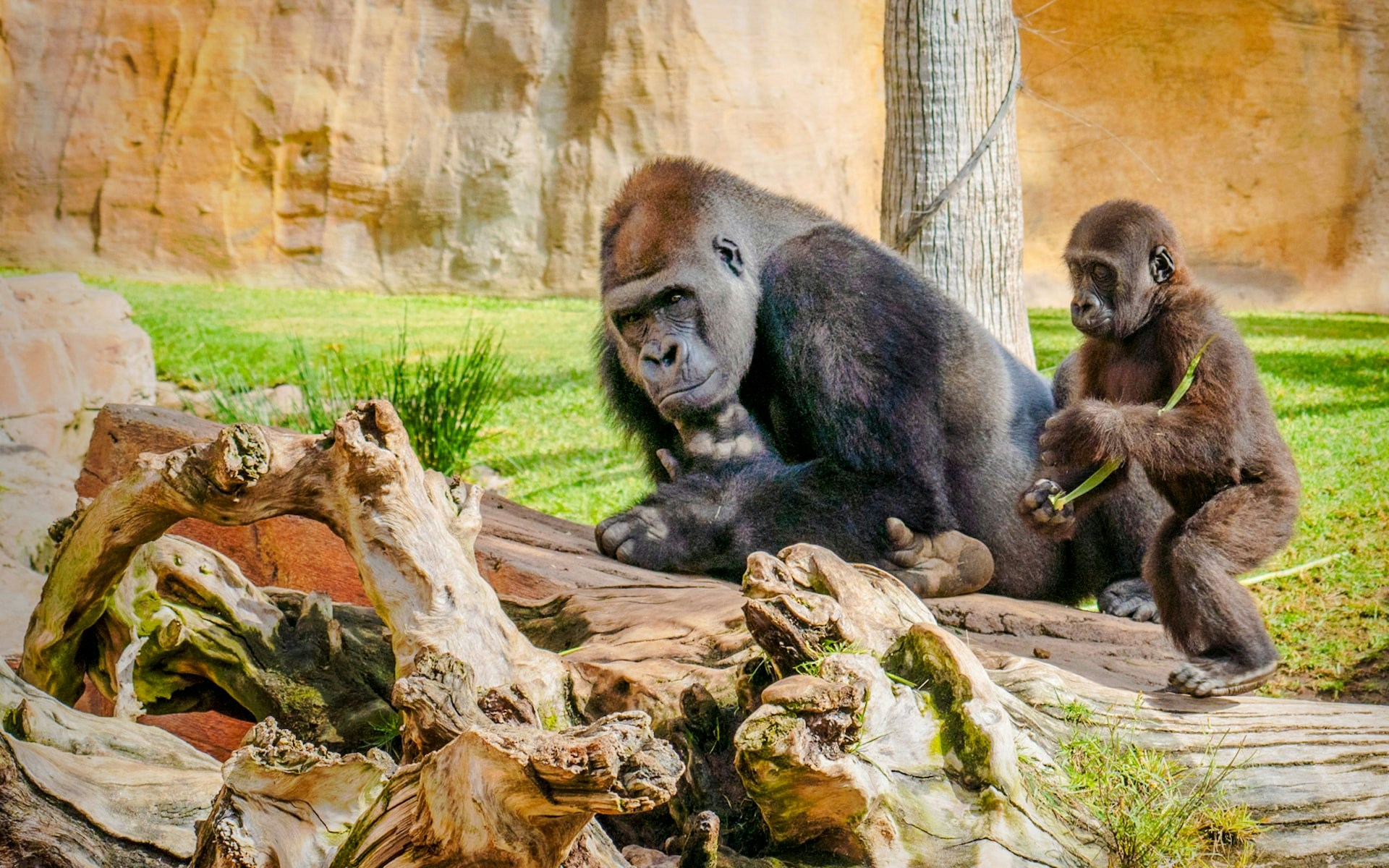
Gorillas resting in their habitat at Bioparc Fuengirola.
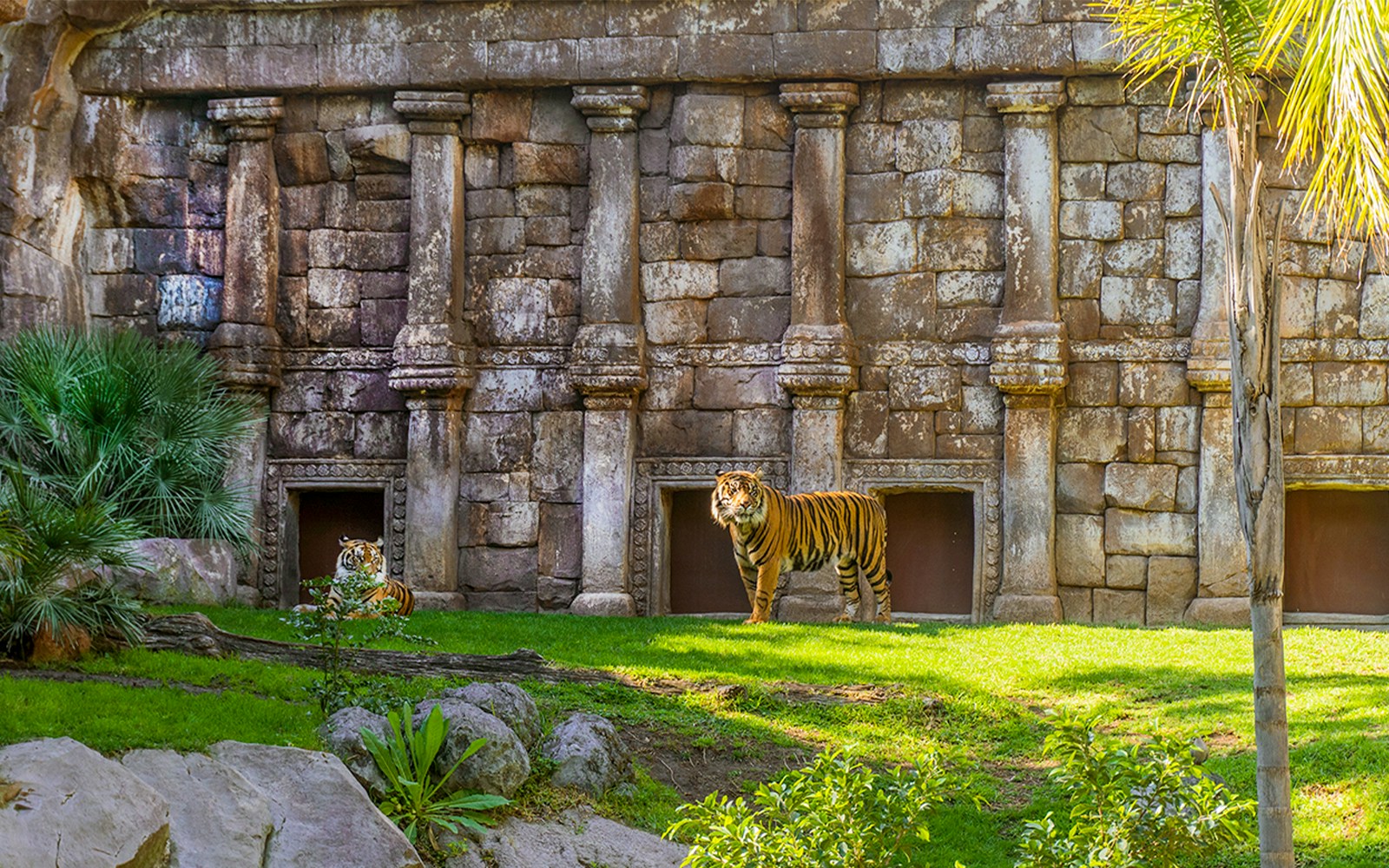
Siberian tiger in front of stone structure at Bioparc Fuengirola, Spain.
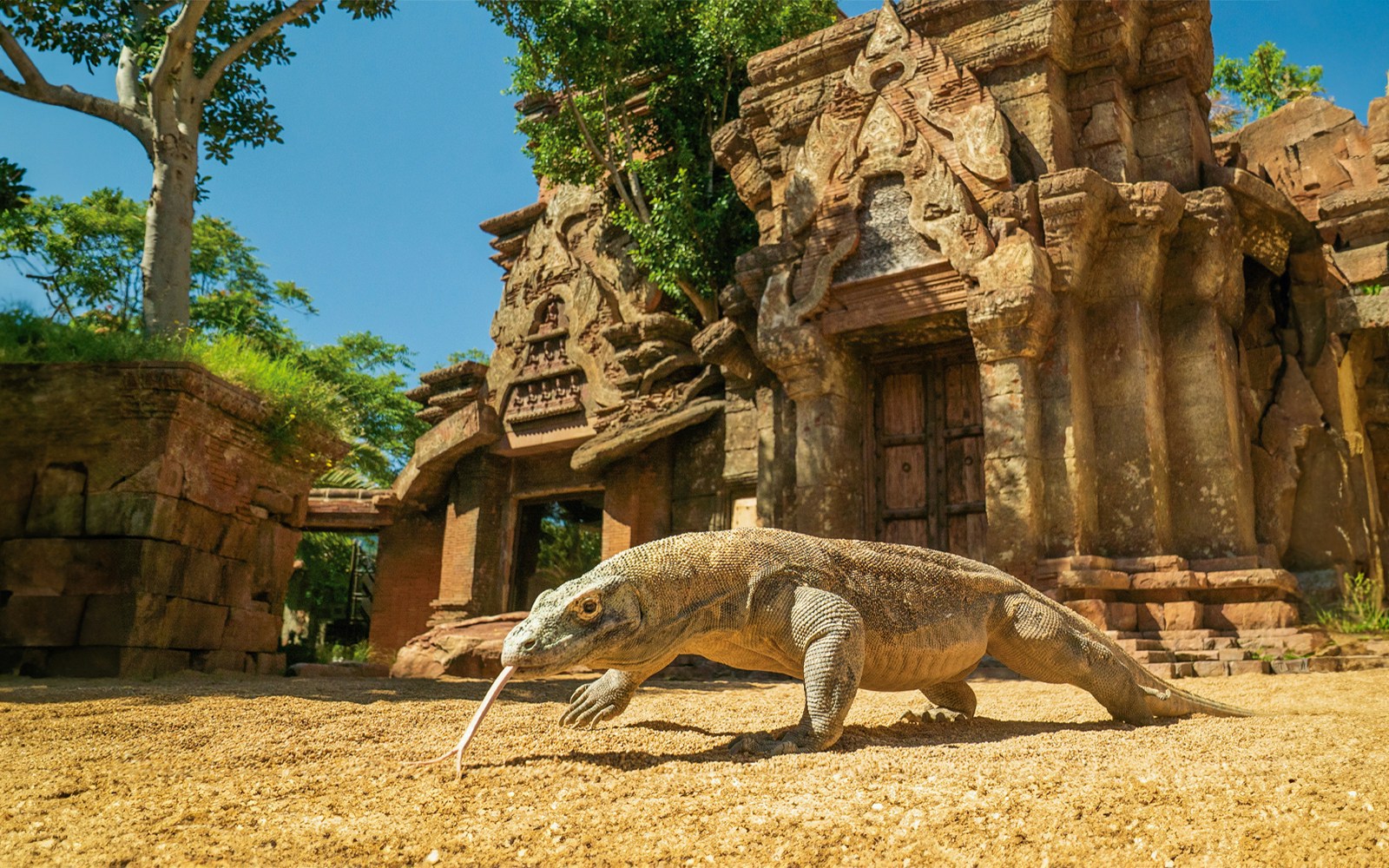
Komodo dragon at Bioparc Fuengirola in front of ancient temple structure.
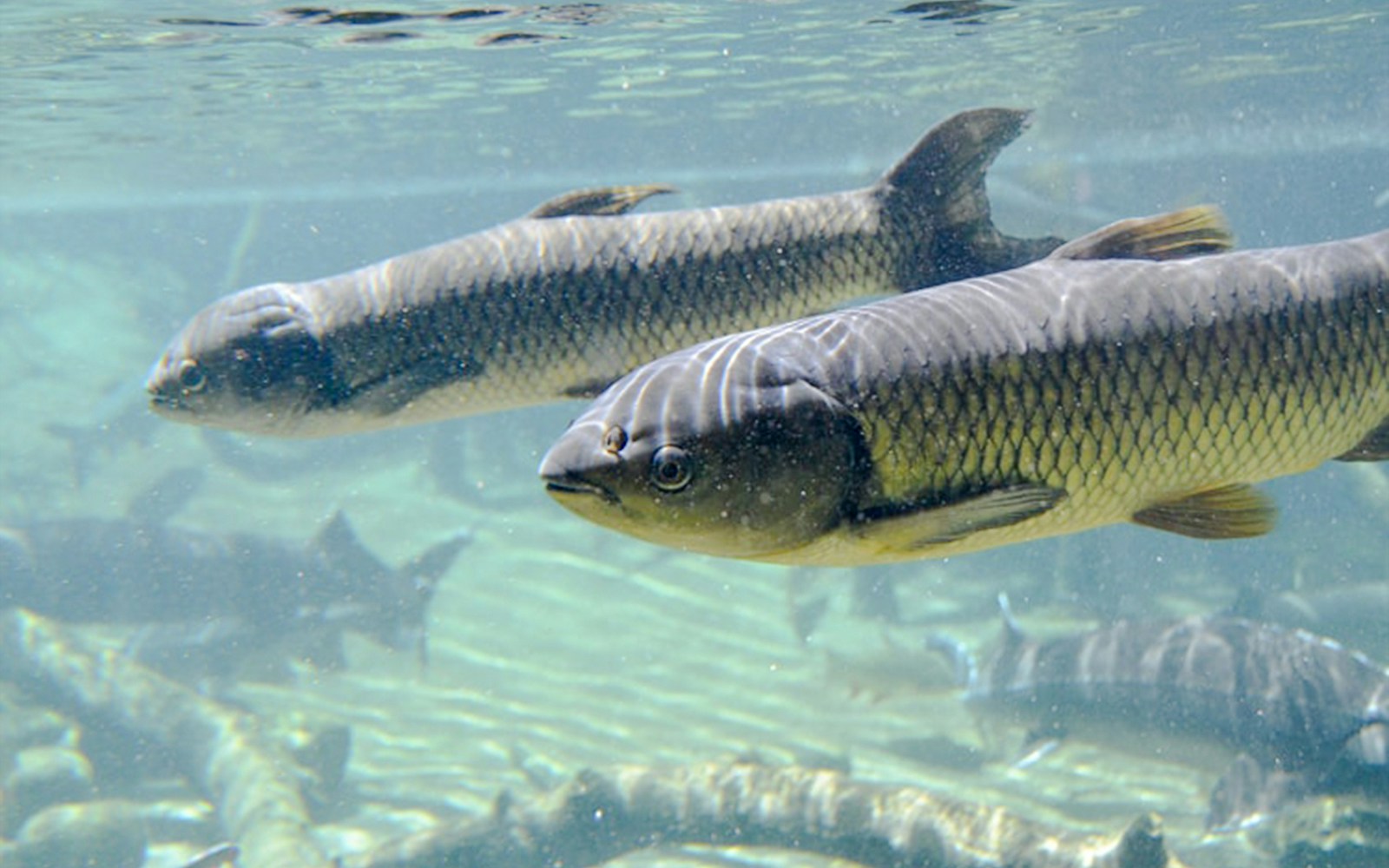
Grass carp swimming underwater at Bioparc Fuengirola.
1/5

The Lemur Forest (Madagascar)

This stunning recreation of the world’s fourth largest island brings you face to face with over 100 species and subspecies of lemur. You’ll see these highly sociable animals share this tropical space, leaping from one tree to the next. Pro tip: Arrive as soon as the park opens at 10am to see them warming themselves up in the morning sun.

The Gorilla Valley (Equatorial Africa)

Find the glass viewing spot by the waterfall to sit eye-to-eye with the gorillas. It is a quiet space where city noise vanishes. Besides the primates, look for the pygmy hippos "walking" underwater nearby, a sight many visitors walk right past.

Angkor Ruins (Southeast Asia)

Walk through vine-covered temple arches where Sumatran tigers roam. Most crowds stay at ground level, but then head to the upper viewing deck for a rare eye-level look at orangutans navigating the high ropes.

The Komodo Dragon Ruins (Indo-Pacific)

This prehistoric zone features massive Komodo dragons blending into sun-drenched ruins. Move slowly to spot the rare Blue Monitors nearby. Most visitors spend 20 minutes here just waiting for the dragons to make a sudden move.

The Underwater Reef (Aquarium)

Descend into cool dark tunnels where the Pacific reef glows through thick glass. This air-conditioned escape is perfect at midday. Pro tip: Look closely into the sand for Garden Eels or hidden Lionfish; most visitors often miss out on these masters of camouflage

How to explore Bioparc Fuengirola

Visitors on a wooden bridge at Bioparc Fuengirola, Spain, surrounded by lush greenery and primates.

To explore Bioparc Fuengirola, treat it as a sequence of active ecosystems rather than a static map. Most visitors spend 3 to 4 hours here, but the magic window is between 10am and 1pm.

Start immediately on Madagascar Island. Being first in line at opening lets you witness lemurs sunning with their arms spread, a specific behavior you will miss once the crowds arrive. Follow the clockwise path into Equatorial Africa by 11:30am, reaching the gorillas as they congregate near the waterfall for morning social time.

If you’re short on time, prioritize the Angkor Ruins and Lemur Forest or step into the Jungle Glade, where you get to observe the behaviors of different species in the animal kingdom, including birds of prey and mammals. This leads you naturally into the Underwater Reef around 2pm, allowing you to escape the heat and spot camouflaged eels while other visitors are away at lunch.

The park is flat and shaded, making it effortlessly stroller-friendly. You can also download the park’s official app to track feeding times, ensuring you catch the Sumatran tigers stalking their lunch to turn a standard walk into a raw jungle trek.

Note: The educational session at Jungle Glade requires you to remain seated throughout; you won’t be allowed to leave and re-enter midway.

History of Bioparc Fuengirola

Bioparc Fuengirola’s evolution from a 1970s traditional zoo is defined by radical "zoo-immersion" breakthroughs.

  • 2001: The Rebirth: Architect José Maldonado replaced concrete cages with Spain’s first barrier-free environments, using hidden rivers to place visitors inside African and Madagascan habitats.
  • 2014: Indo-Pacific Expansion: The park added the Angkor ruins zone, becoming a European leader for Komodo dragon breeding and Southeast Asian biodiversity.
  • 2025: A Spanish First: The park made history with the birth of Tari, the first Malayan tapir calf born in Spain, a critical victory for international conservation.
  • 2026: 25 Years of Nature: Celebrating its 25th Anniversary, the park remains a global benchmark. Recent 2026 arrivals, including a newborn Bornean orangutan and the growth of Ernie the gorilla, solidify its status as a vital sanctuary for the world's most at-risk species.

Conservation at Bioparc Fuengirola

Conservation is the pulse of Bioparc Fuengirola. Your visit funds the Bioparc Foundation, supporting habitat protection in Madagascar, Borneo, and the Congo. The park is a primary European hub for over 40 Endangered Species Programmes (EEPs), ensuring the survival of vulnerable wildlife. From the historic birth of the first Malayan tapir in Spain to the recent 2026 arrival of a Bornean orangutan, your ticket contributes to a global network of breeding and research that preserves biodiversity for future generations.

Frequently asked questions about Bioparc Fuengirola

This radical design replaces cages with hidden rivers, bridges, and glass. By mimicking native habitats, it places you inside the animal's world for a seamless, intimate connection with nature.